New Study Reveals Microplastic Contamination in Human Blood
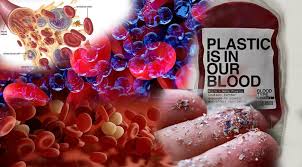
New Study Reveals Microplastic Contamination in Human Blood
A recent study has unveiled the presence of microplastics in human blood, marking a significant milestone in understanding the pervasiveness of plastic pollution and its potential implications for human health. This research indicates that microplastics, previously detected in various human tissues, have now been identified circulating within the bloodstream.
Microplastics are tiny plastic particles, typically less than 5 millimeters in size, resulting from the breakdown of larger plastic debris or manufactured intentionally for use in products like cosmetics and industrial processes. These particles have been found in the environment, including oceans, air, and soil, and have now been detected in human biological systems.
The study involved analyzing blood samples from a group of healthy volunteers. The findings revealed that a significant portion of the participants had measurable levels of microplastics in their blood. The types of plastics identified included polyethylene terephthalate (PET), commonly used in beverage bottles; polyethylene (PE), used in plastic bags; and polystyrene, used in food packaging and other products.
The presence of microplastics in the bloodstream suggests that these particles can be absorbed into the human body through various means, such as ingestion of contaminated food and water, inhalation of airborne particles, and possibly through skin contact. Once in the bloodstream, microplastics have the potential to be transported to different organs and tissues, although the exact mechanisms and health implications are still under investigation.
Researchers emphasize that while the detection of microplastics in blood is concerning, further studies are necessary to determine the long-term health effects. Potential risks include inflammation, disruption of immune responses, and interference with cellular processes. However, concrete evidence linking microplastics in the bloodstream to specific health conditions remains to be established.
This discovery underscores the urgent need for comprehensive research into the sources, pathways, and impacts of microplastic exposure in humans. It also highlights the importance of addressing plastic pollution at its source, promoting the reduction of plastic use, and improving waste management practices to mitigate the infiltration of microplastics into the environment and, consequently, the human body.
As awareness of microplastic contamination grows, individuals can take proactive steps to minimize exposure, such as reducing the use of single-use plastics, choosing products with minimal plastic packaging, and supporting policies aimed at curbing plastic pollution.